What are flyers?
A flyer is a single, unfolded sheet printed on one or both sides. It's designed to communicate one clear message quickly — an offer, an event, a new opening — and is usually handed out, posted through doors or left on counters.
Common uses
- Door-to-door and local leaflet drops
- Event, launch and opening promotions
- Counter and reception handouts
- Inserts in parcels and direct mail
- Takeaway menus and simple price lists
Sizes and formats
| Format | Size | Typically used for |
|---|---|---|
| A6 | 105 × 148mm | Compact handouts and parcel inserts |
| A5 | 148 × 210mm | The most popular all-round flyer size |
| DL | 99 × 210mm | Fits a standard DL envelope and leaflet racks |
| A4 | 210 × 297mm | Room for detail, menus and price lists |
Available formats depend on production availability. Custom sizes may be possible — mention them in your enquiry.
Materials and finishes
Flyers are commonly printed on silk or gloss coated papers somewhere around 130–170gsm, which handle well and reproduce photography crisply. Heavier stocks around 250–350gsm feel more substantial and survive being kept for longer. Uncoated paper suits a natural, understated look and is easy to write on.
Printing options
Digital printing tends to suit shorter runs, quick reprints and personalised or versioned work. Litho printing tends to become more economical as quantities rise and gives excellent colour consistency on long runs. The right method depends on your quantity, stock and finish, and we'll suggest an approach in your quotation.
Quantities
Flyers are ordered in everything from a few hundred for a local event to many thousands for a door-drop campaign. The unit cost generally falls as quantity rises, so it's worth asking for more than one quantity in your quote.
Artwork requirements
- Supply a print-ready PDF at finished size
- Add 3mm bleed to every edge
- Keep text and logos at least 3mm inside the trim
- Use images around 300dpi at final size
- Set colours to CMYK (or name Pantone spot colours)
- Embed fonts or convert them to outlines
Keep important text at least 3–5mm inside the trim edge. For double-sided flyers, supply both sides in a single two-page PDF.
Turnaround and delivery
Turnaround depends on the product, specification, quantity, finishing, supplier availability and delivery location. Tell us when you need your flyers and where they're going, and we'll confirm what's achievable in your quotation. We deliver to addresses across the UK.
Flyers: frequently asked questions
What is the difference between a flyer and a leaflet?
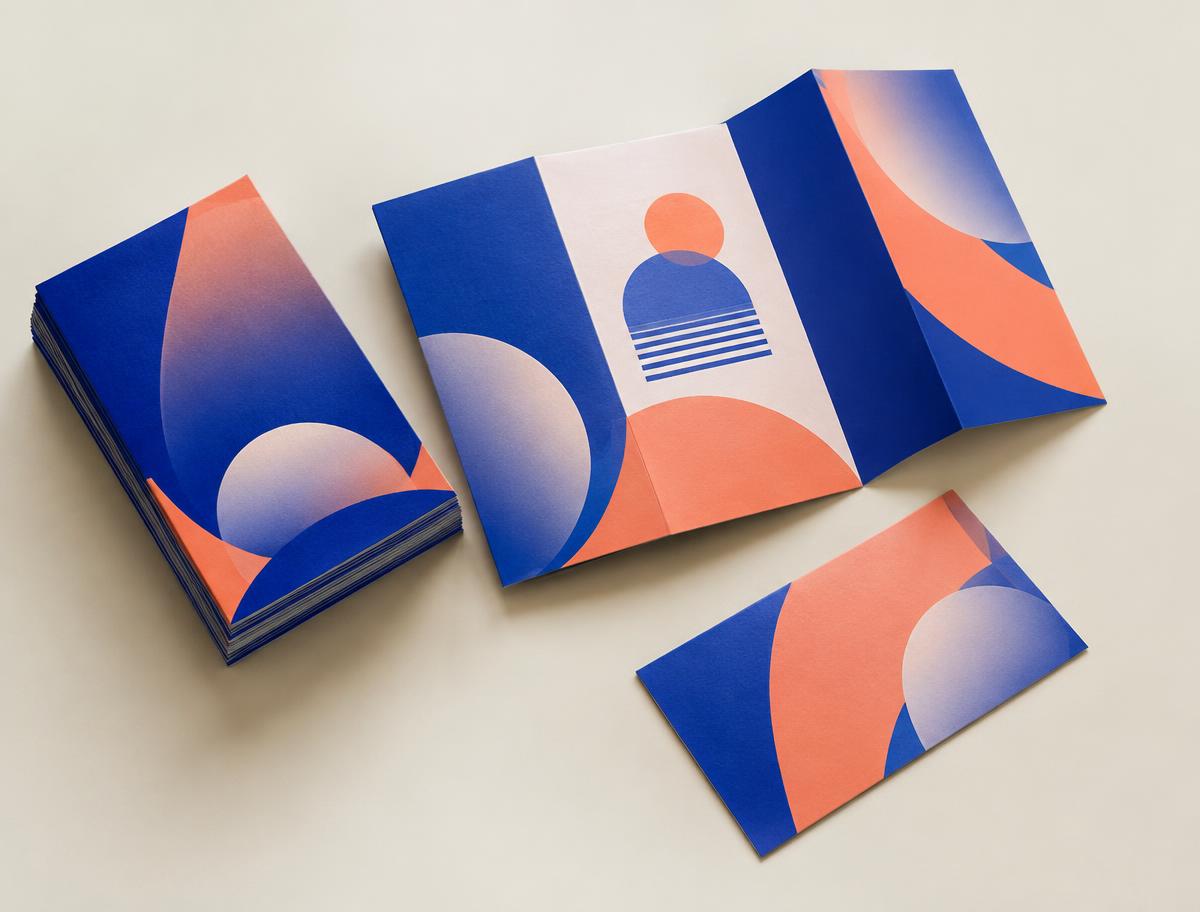
The terms are often used interchangeably. In print, a flyer usually means a single unfolded sheet, while a leaflet is often folded into panels. Both are quoted the same way.
Is A5 or A6 better for a flyer?
A5 gives roughly twice the space of A6, so it suits offers that need an image and supporting detail. A6 is smaller and lighter, which suits handouts and inserts.
What paper weight should I choose for flyers?
Around 130–170gsm silk is a common choice for handed-out flyers. If the flyer will be kept, displayed or needs to feel premium, consider a heavier stock.