Quick answer
Commercial printing is the professional production of printed items for businesses — from business cards and brochures to packaging and exhibition graphics. To get the best result, define what the print is for, choose a suitable format and material, and request a quote with a clear specification.
What counts as commercial printing?
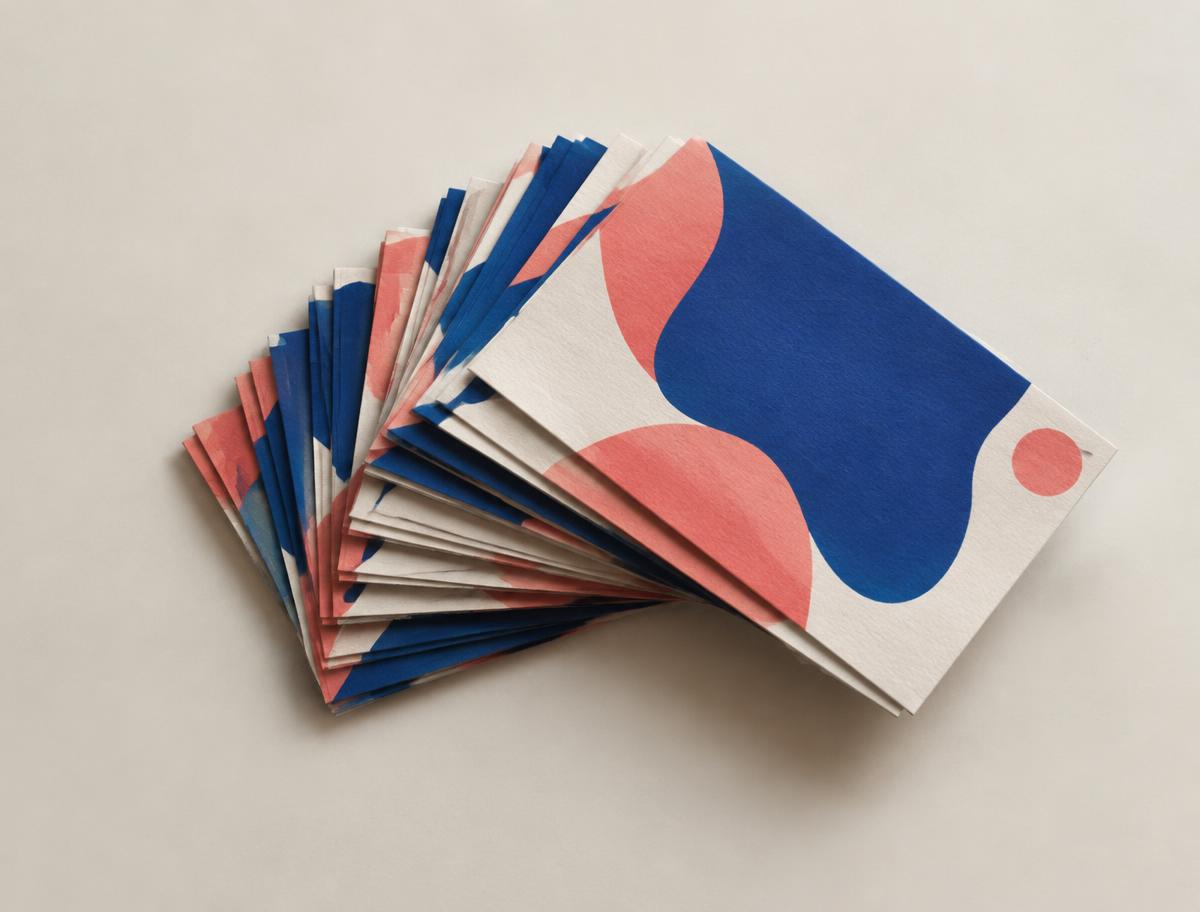
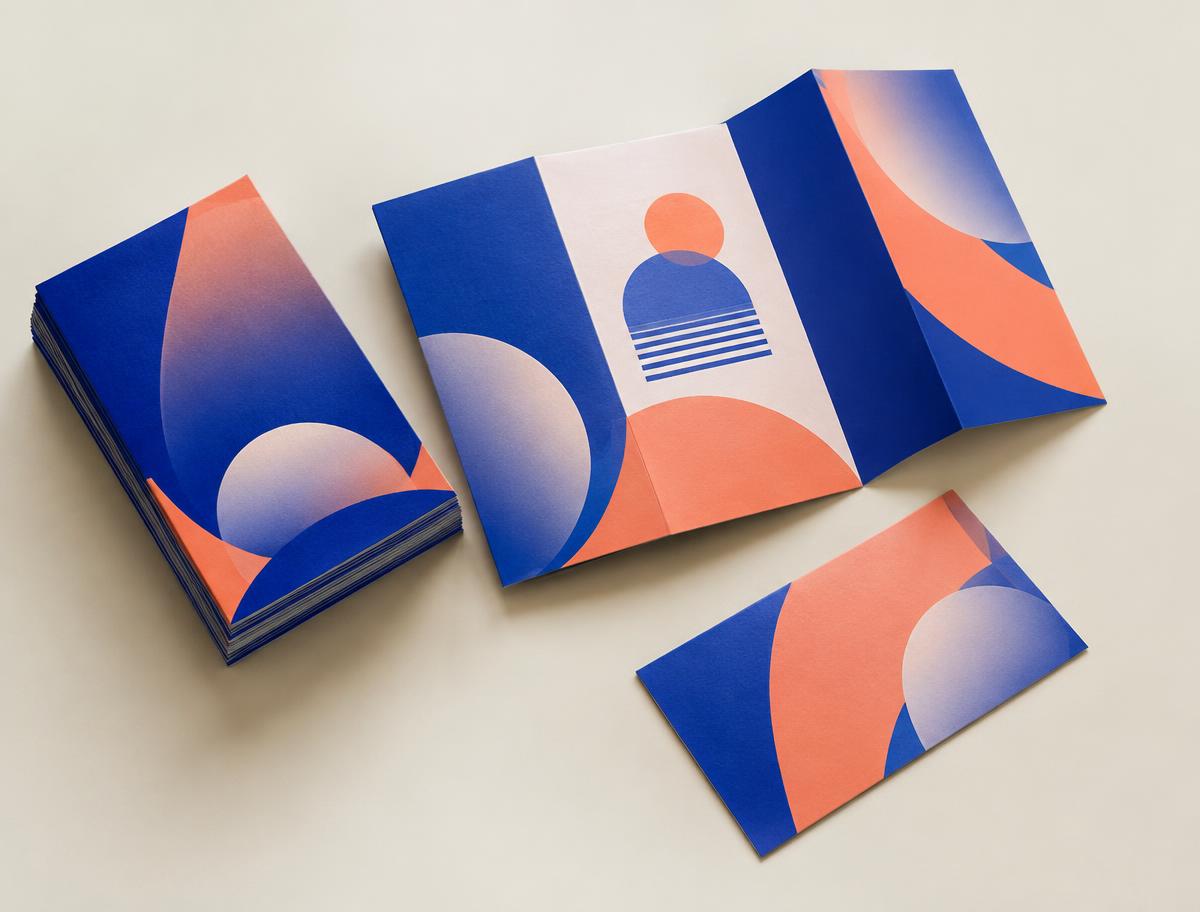
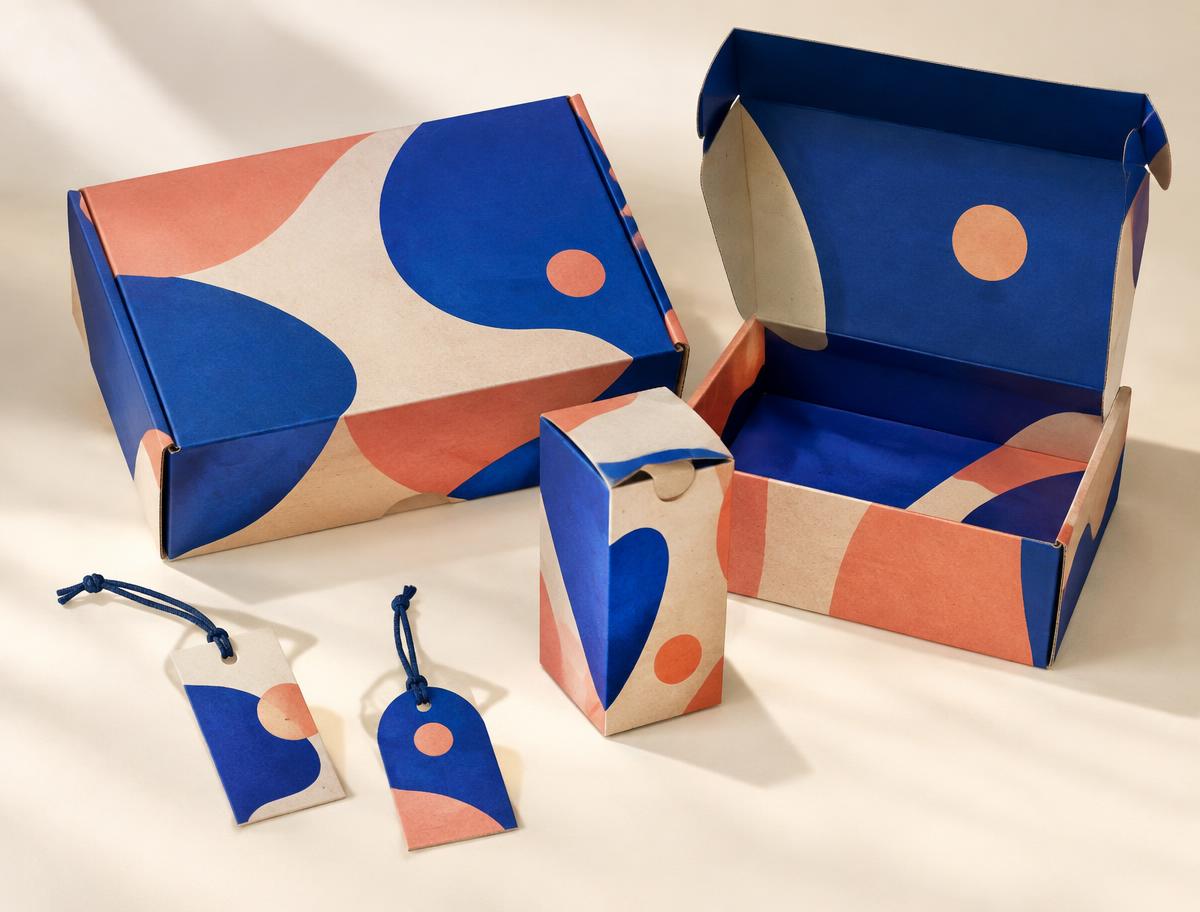
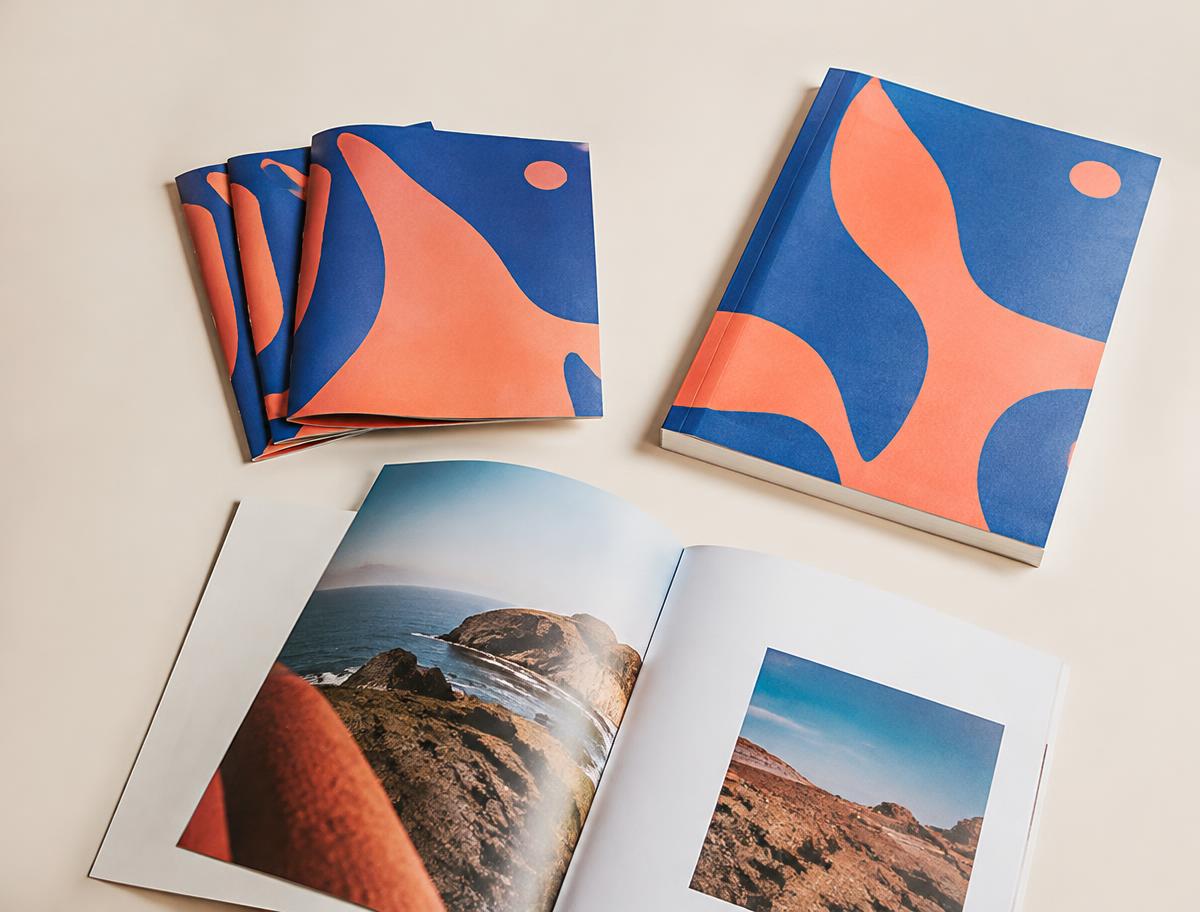
Commercial printing covers anything a business has printed professionally rather than on an office printer. That includes marketing materials, stationery, publications, packaging, labels and large-format signage.
The main print methods
| Method | Typically suits | Notes |
|---|---|---|
| Digital | Short runs, personalisation, quick reprints | No printing plates, so setup is minimal |
| Litho (offset) | Larger runs, consistent colour | Plates add setup, but unit cost falls with volume |
| Wide-format digital | Posters, banners, displays | Prints large sizes on paper, vinyl and fabric |
| Flexographic | Long-run labels and packaging | Common in packaging production |
What to decide before you ask for a quote
- What the print is for and who will receive it
- Size and format
- Quantity (or a few quantities to compare)
- Paper or material, if you have a preference
- Finishing — lamination, folding, binding, cutting
- Delivery postcode and the date you need it
How a print sourcing partner helps
A sourcing partner such as The Printing Work doesn't run its own presses. Instead, we help you define the specification and find suitable production partners, so you have one contact for very different types of print.
Frequently asked questions
Where can I get brochures printed in the UK?
Commercial printers and print sourcing businesses across the UK print brochures. You can request a brochure quotation from The Printing Work with your size, page count, paper and quantity.
This guide gives general information about commercial printing. Specifications and availability vary between production partners; we'll confirm the details for your project in your quotation. Request a quote.